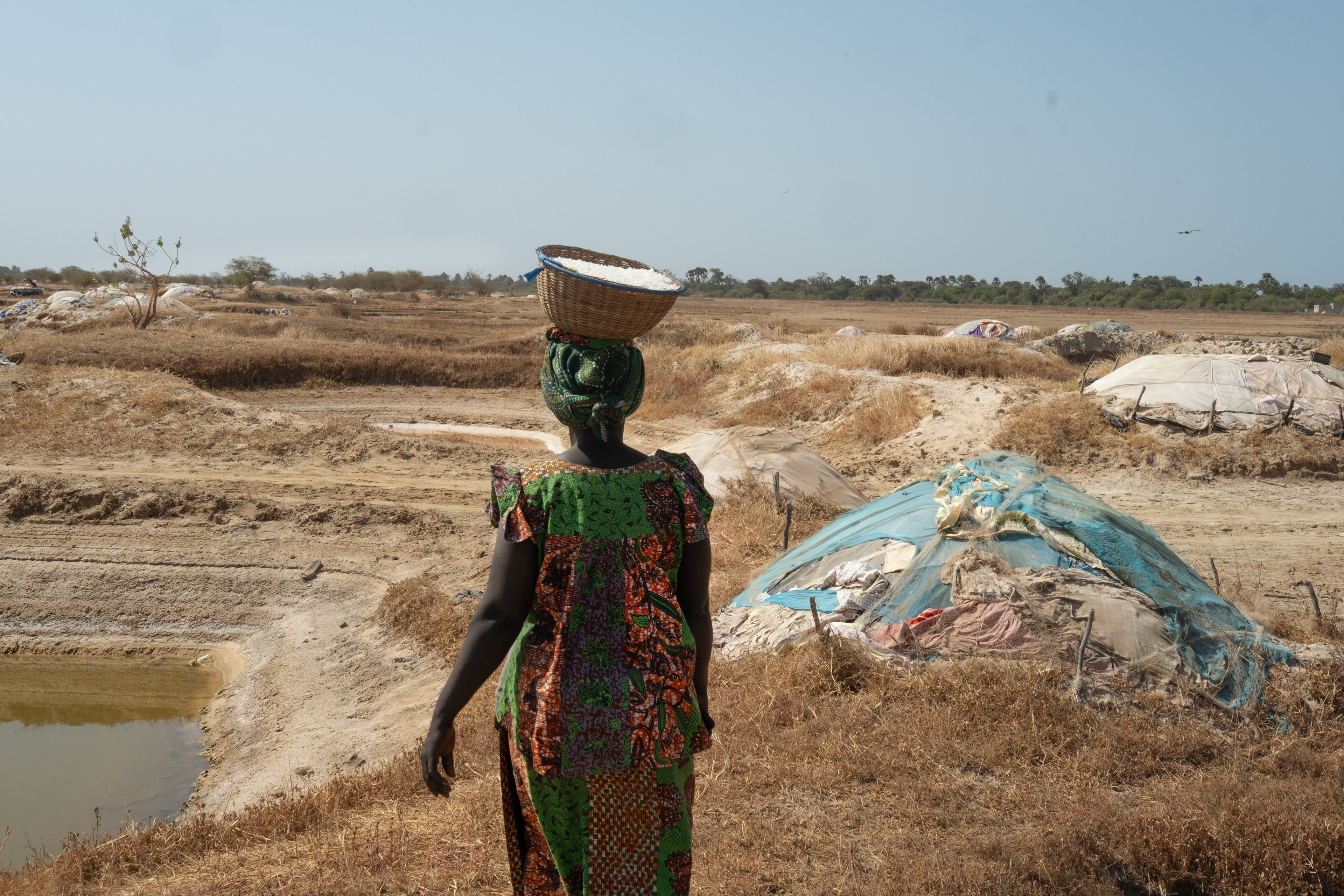
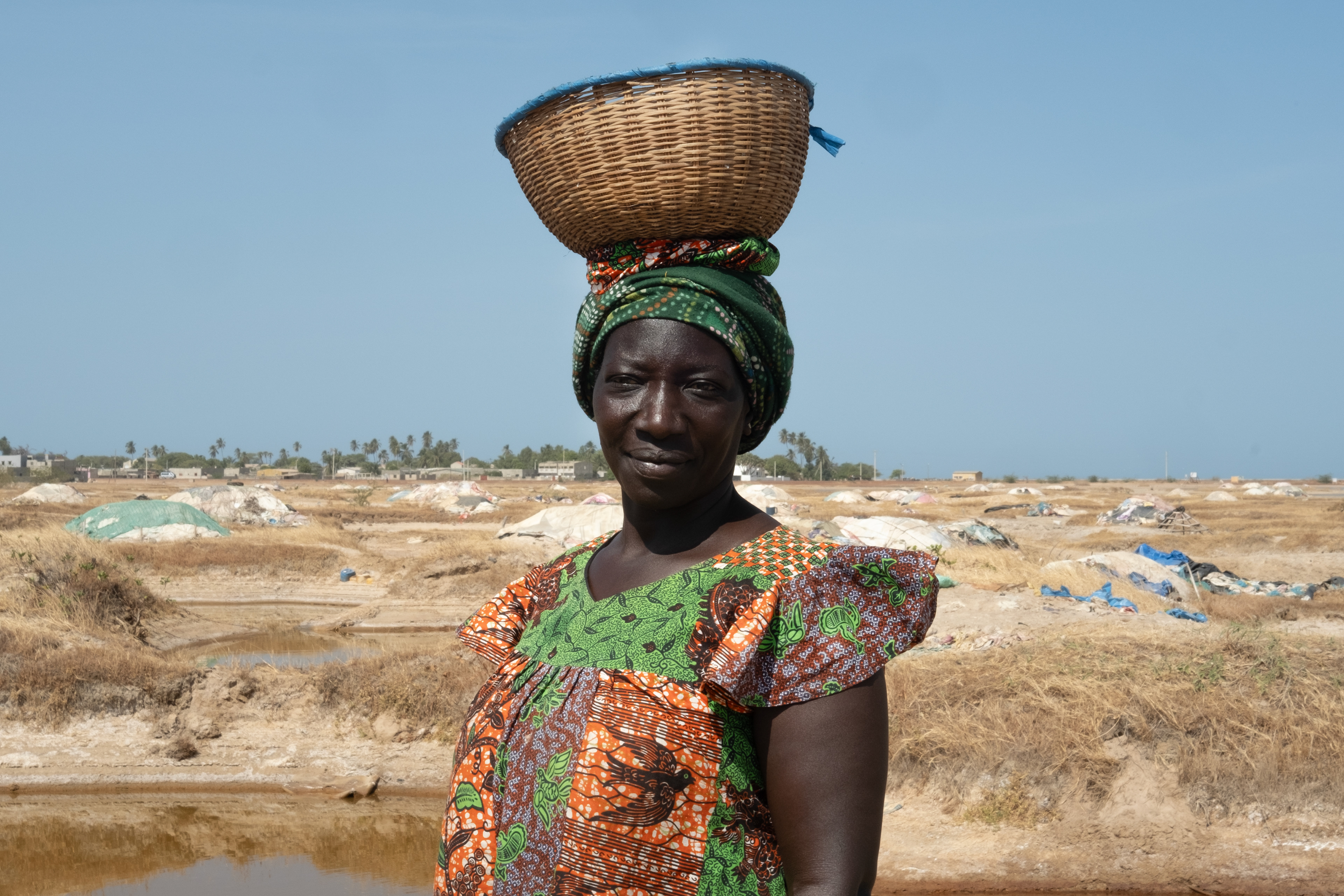
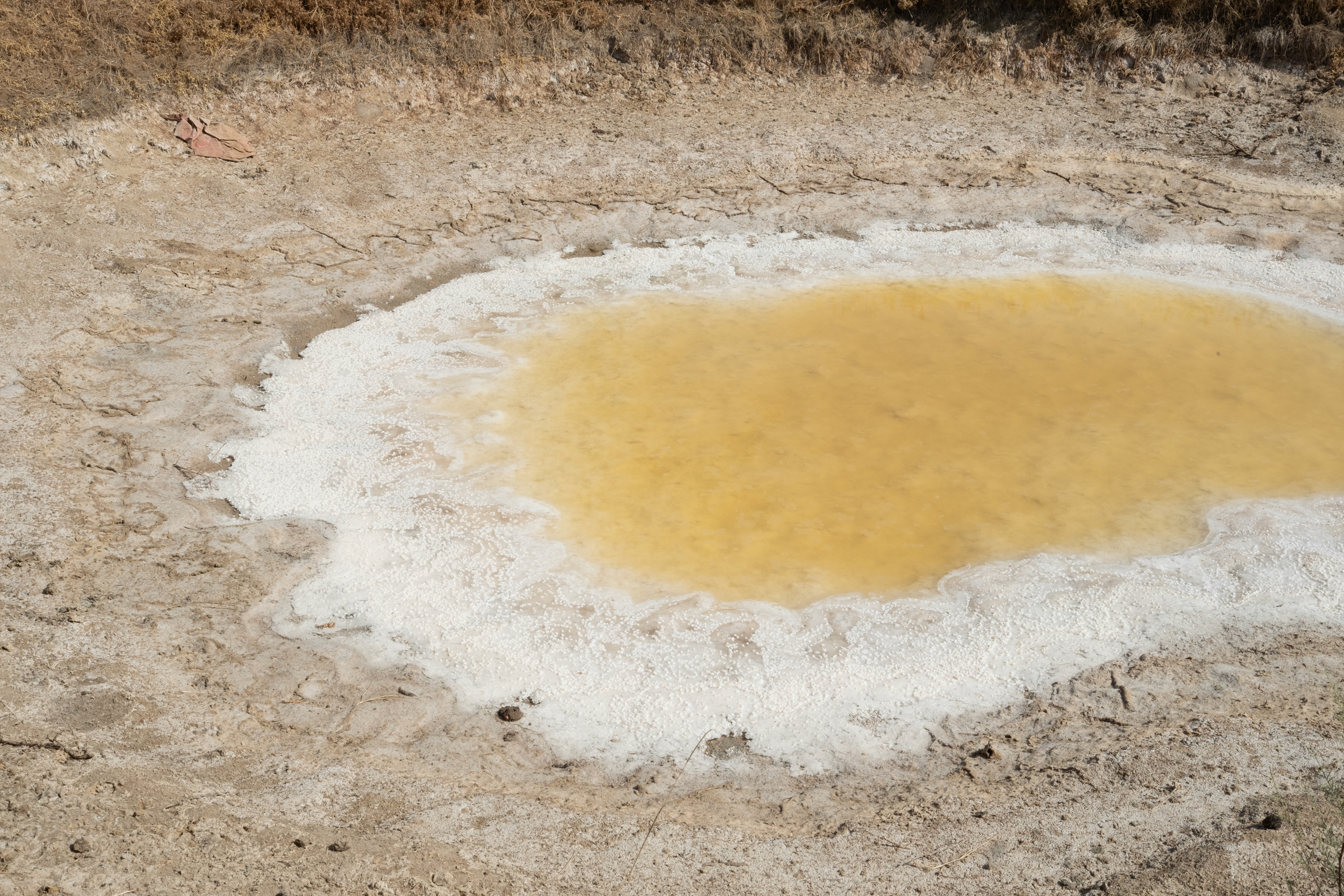
Salt is more than just an ingredient. Behind it lie months of waiting, pools carved into the earth, and a constant eye on the weather. In the salt pans of southern Senegal, this work is a tradition passed down from generation to generation, from woman to woman.
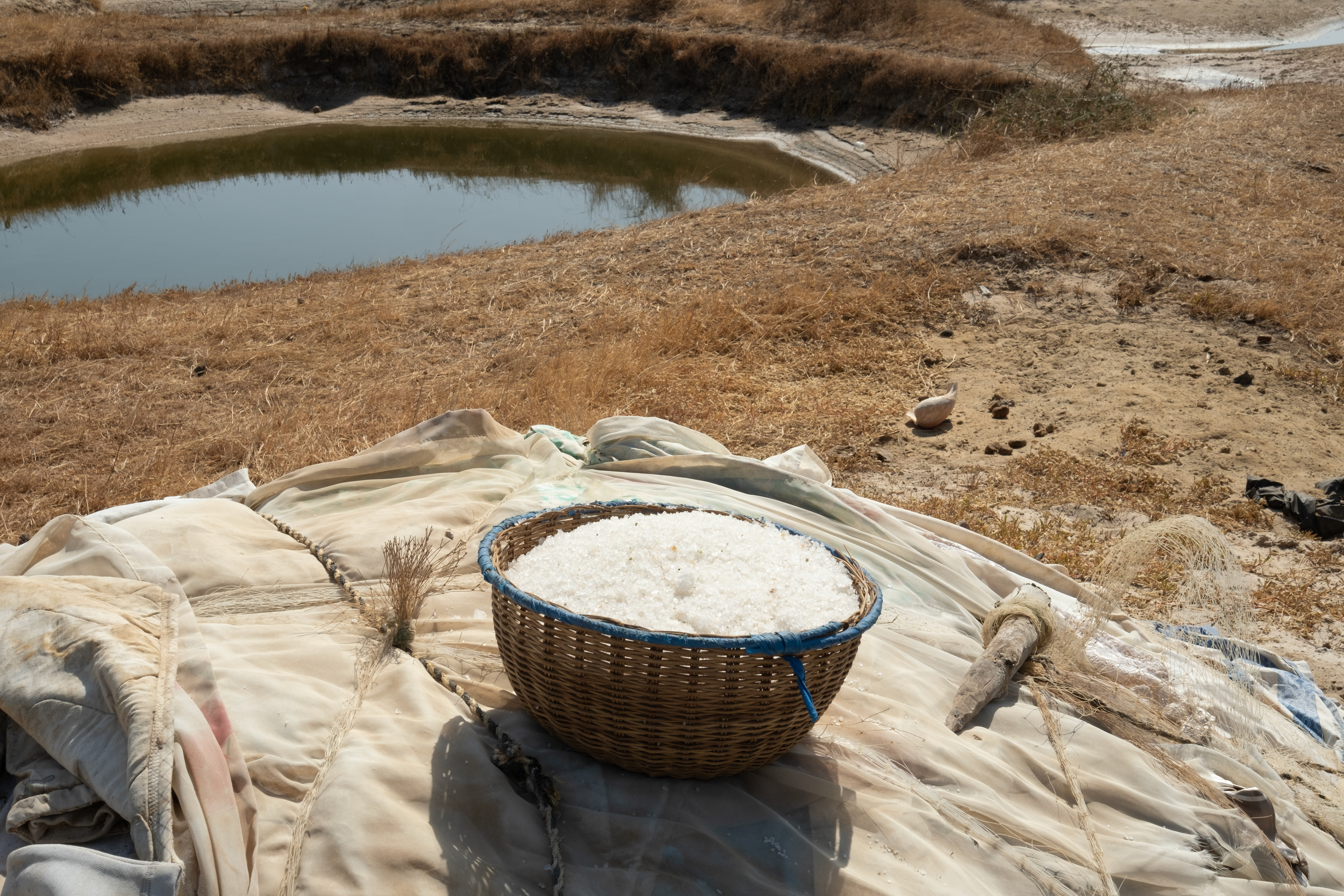
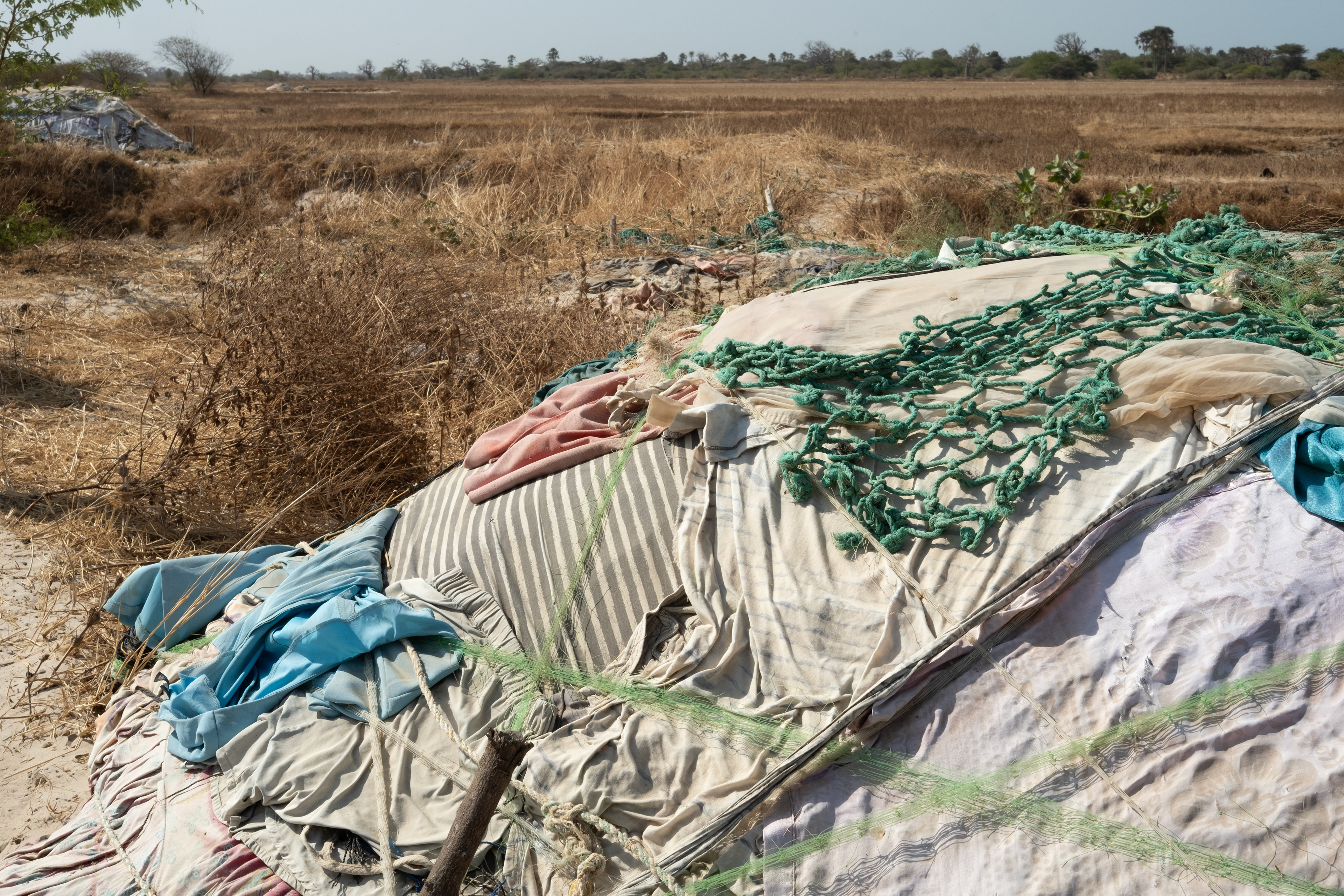
The process is entirely manual: from extracting the water to harvesting the crystals, and finally covering the piles with tarps and fabrics to protect months of hard labor from humidity.
But the challenge does not end with the harvest.Selling it depends on an informal and uncertain market, where the salt remains stored in the open, sometimes for months, waiting for a buyer.